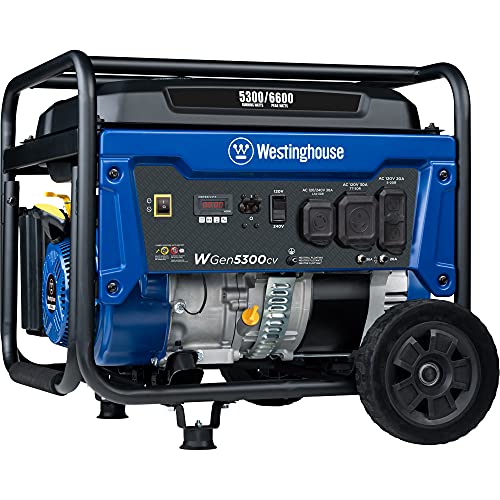
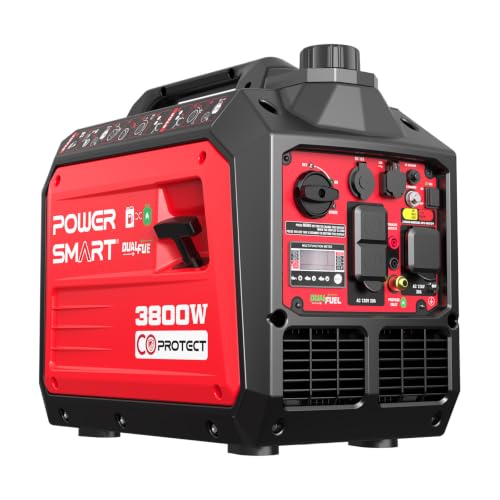
As Amazon Associates, we earn from qualifying purchases. This means we may receive a small commission at no extra cost to you if you click through and make a purchase.
As an Amazon Associate we earn from qualifying purchases. Links on this page are affiliate links.
This portable generator buying guide helps you select the right unit for your specific needs, whether you require quiet power for camping or high-wattage backup for your home. You will decide between compact inverter models and heavy-duty dual-fuel systems based on published specifications like weight, wattage, and dimensions. We analyzed the data to identify the most suitable options for different use cases, ensuring you can match technical requirements to your environment.
The recommendations below were chosen strictly from their published specifications, focusing on practical details like battery capacity, fuel type, and noise levels. You will see how each model’s physical size and power output align with intended uses, from sensitive electronics to whole-home circuits. By reviewing these metrics, you can determine which generator fits your space and energy demands without guessing. The list covers 8 top picks that balance performance and portability for your situation.
What to Look for in Portable Generators
Fuel Type Options
Fuel type determines how you refuel and your runtime flexibility. Dual-fuel models like the Westinghouse 14500W let you switch between gasoline and propane. Gasoline provides higher energy density for peak loads, while propane burns cleaner and stores longer without degrading. This dual capability is useful if you are unsure about fuel availability during an extended outage. Inverter models like the AIVOLT 1600W typically run only on gasoline. Choosing the right fuel source impacts your maintenance routine and where you can safely store fuel. You should check if the unit supports both fuels or sticks to one. This decision affects long-term usability and convenience in emergency scenarios.
Look for
- Dual-fuel capability for gasoline or propane
- Clean-burning propane for indoor safety
- Gasoline availability in your region
Running Wattage Capacity
Running wattage is the continuous power the generator supplies to your devices. High-wattage units like the Westinghouse 12500W handle heavy appliances such as central air conditioners or well pumps. Lower-wattage inverters like the PowerSmart 2500W suit camping trips and charging small electronics. You must match this number to your total load requirements to avoid overloading the unit. Exceeding the running wattage can trip breakers or damage the generator. Consider the surge wattage for starting motors, but focus on running watts for sustained use. Check the output specifications carefully. This spec ensures your essential devices stay powered without interruption during a blackout or outdoor activity.
Look for
- Wattage matching your appliance needs
- Surge capacity for motor startup
- Continuous output limits
Battery Capacity and Type
Battery capacity defines how long a portable power station runs without refueling. The Jackery Explorer 5000 Plus offers 10kWh for whole-home backup, while the DJI Power 2000 provides 2048Wh for camping. Higher capacity means longer runtime but also greater weight and cost. LiFePO4 batteries, found in the DJI Power 2000, offer more cycles and safer chemistry than older lithium-ion types. This longevity matters if you plan to use the unit frequently. You should calculate your daily energy consumption to pick the right size. A larger battery supports more devices for longer periods. This spec is critical for users who need silent, emission-free power for extended durations.
Look for
- Wh rating for runtime estimation
- LiFePO4 chemistry for longevity
- Cycle count specifications
Start Type and Control
Start type affects how easily you can activate the generator. Remote start features, available on Westinghouse models, allow you to turn on the unit from a distance. This is convenient for heavy outdoor generators placed far from your home. Traditional pull-start or button-start models require physical interaction. For battery units like the Jackery HomePower 3600 Plus, start type is often automatic or app-based. Remote control adds convenience but requires battery replacement or charging. You should consider your physical ability and the generator's location. Remote start is ideal for users with mobility issues or large properties. This feature enhances usability during stressful emergency situations.
Look for
- Remote start convenience
- Pull-start physical effort
- Automatic start capability
Key Safety Features
Safety features protect you and your devices from electrical hazards. CO sensors, like those in the AIVOLT 1600W, shut down the generator if carbon monoxide levels rise. This is vital for any generator used near living spaces. Pure sine wave output, also in the AIVOLT, ensures safe charging for sensitive electronics like laptops and medical devices. Transfer switch readiness, seen in Westinghouse models, allows safe integration with home wiring. You should verify these protections before purchase. Lack of these features can lead to dangerous situations or equipment damage. Prioritize units with robust safety protocols to ensure reliable and secure power delivery.
Look for
- CO sensor for safety
- Pure sine wave output
- Transfer switch readiness
Intended Use and Portability
Intended use dictates the form factor and weight you need. Camping requires lightweight, compact units like the AIVOLT 1600W at 28 pounds. Home backup demands heavy, stationary units like the Jackery Explorer 5000 Plus at 216 pounds. You must weigh portability against power output. Lighter units are easier to move but offer less capacity. Heavier units provide more power but are difficult to transport. Check the weight and dimensions carefully. This factor determines if you can easily move the generator to a vehicle or if it stays in place. Matching the unit to your primary use case prevents buying an overly bulky or underpowered device.
Look for
- Weight for transport ease
- Dimensions for storage space
- Handle or wheel options
Voltage and Output Types
Voltage and output types determine what devices you can power. Standard 120V outlets suit most household appliances and camping gear. 240V support, found in the Jackery HomePower 3600 Plus and Explorer 5000 Plus, allows you to run high-draw appliances like electric dryers or central AC. You must check the outlet configuration to ensure compatibility with your equipment. Some units offer USB ports for direct device charging. This spec is crucial for whole-home backup scenarios. You should verify the voltage requirements of your essential devices. Choosing the right output type ensures you can power the specific appliances you need during an outage.
Look for
- 240V support for heavy loads
- 120V outlet count
- USB port availability
Types of Portable Generators
Solar-Powered Power Stations
These units store energy in large batteries and recharge via solar panels or wall outlets. The DJI Power 2000 Solar Combo features a 2048Wh LiFePO4 battery and includes a 200W panel. It operates at a quiet 30 dB, making it suitable for RV camping and emergency use. You get clean, silent power without fuel storage. The trade-off is higher weight and reliance on sunlight or grid charging for replenishment.
Compact Inverter Generators
Inverter generators produce clean, stable electricity ideal for sensitive electronics like laptops and medical devices. The PowerSmart 2500W and AIVOLT 1600W models use pure sine wave technology. They are lightweight, with the AIVOLT weighing just 28 pounds. These units are quiet and efficient for camping or tailgating. You sacrifice raw output capacity for portability and power quality, making them unsuitable for heavy appliances.
High-Capacity Battery Stations
These large battery units provide massive storage for whole-home backup without fuel. The Jackery Explorer 5000 Plus offers 10kWh capacity with 240V support. It weighs 216 pounds, so it is stationary. The Jackery HomePower 3600 Plus also supports dual voltage for high-wattage needs. You gain extensive runtime for essential circuits. The main drawback is the significant weight and physical footprint required for installation.
Dual-Fuel Portable Generators
These traditional generators run on gasoline or propane, offering fuel flexibility for long outages. The Westinghouse 14500W and 12500W models provide high wattage for home backup. They feature remote start and transfer switch readiness for automatic power restoration. These units are heavy, weighing over 200 pounds, and are not designed for transport. You get substantial power output but require fuel storage and maintenance.
Common Generator Buying Mistakes
Ignoring runtime at actual load
Manufacturer runtime figures often assume a minimal load. You must check the fuel capacity and consumption rate at your expected wattage. Running high-draw appliances will drain the tank much faster than advertised, leaving you without power when you need it most.
Overlooking noise output in dB
Decibel ratings vary by load and distance. A quiet generator at no load may become loud under full capacity. Check the noise level at fifty percent load for a realistic expectation. This ensures the unit fits your camping or neighborhood requirements without disturbing others.
Assuming all outlets are equal
Not every outlet provides the same power. Some are standard AC, while others offer DC or USB charging. Verify the voltage and amperage of each port. Matching your device plugs to the correct outlet type prevents damage and ensures your gear charges efficiently during use.
Neglecting total weight and size
Portable generators vary significantly in mass and dimensions. A unit might have high wattage but be too heavy to lift safely. Check the weight and handle design. Ensure you can move the unit easily to your vehicle or storage space without requiring extra help.
| # | Product | Best for | Price |
|---|---|---|---|
| 1 | Jackery HomePower 3600 Plus | high-wattage home backup with 240V support | |
| 2 | PowerSmart 2500W Inverter Generator | Camping and sensitive electronics | |
| 3 | Jackery HomePower 3000 3600W | Home backup with fast recharging | |
| 4 | DJI Power 2000 2048Wh Portable Power | campers needing integrated solar charging | |
| 5 | Jackery Explorer 5000 Plus 10kWh | Whole-home backup with 240V support | |
| 6 | Westinghouse 14500W Dual Fuel Portable Generator | High-wattage home backup power | |
| 7 | Westinghouse 12500-Watt Dual-Fuel Generator | Home backup and heavy-duty power needs | |
| 8 | AIVOLT 1600W Portable Inverter Generator | Lightweight camping and sensitive electronics charging |
Jackery HomePower 3600 Plus
Best for: high-wattage home backup with 240V support
- Running Wattage
- 3600W
- Voltage Output
- 120V & 240V in parallel
- Features
- LiFePO4 Battery
- Intended Use
- Home, Home Backup
- Dimensions
- 15.2 × 12.2 × 19.3 inches
- Weight
- 77.2 pounds
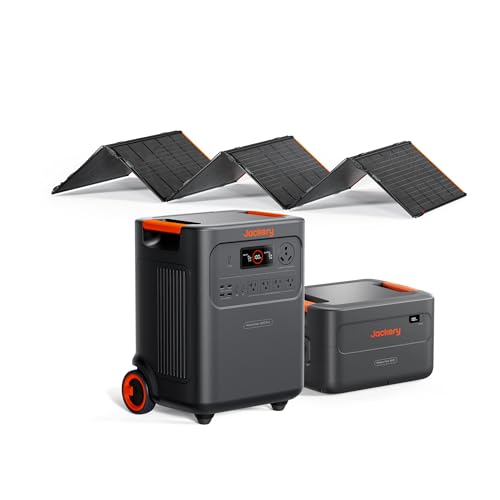
The Jackery HomePower 3600 Plus is a high-capacity portable power station designed for essential home backup. It delivers 3600W of running wattage, scaling to 7200W when units are paralleled. The system supports both 120V and 240V outputs, allowing you to run heavy appliances like dryers and heaters. With a base capacity of 3584Wh that expands significantly, this unit suits households needing reliable, long-duration power during outages.
- 3600W continuous AC output for high-draw appliances
- Dual voltage support for 120V and 240V devices
- Expandable capacity up to 21kWh per unit
- Parallel capability reaches 7200W total output
- 77.2-pound weight makes it difficult to move
- 19.3-inch height requires substantial vertical space
- 15.2-inch length adds to bulkier footprint
- You need 240V power for large appliances
- You require high continuous wattage for home backup
- You want expandable capacity for extended outages
- You need a lightweight unit for easy transport
- You have limited space for large equipment
- You only need to power small electronics
Verdict: Jackery HomePower 3600 Plus fits users who prioritize high wattage and dual-voltage capability for home backup over portability. Its heavy build and large dimensions suit stationary emergency power needs rather than camping or travel.

PowerSmart 2500W Inverter Generator
Best for: Camping and sensitive electronics
- Running Wattage
- 1,900 W
- Starting Wattage
- 2,500 W
- Generator Type
- Inverter
- Voltage Output
- 120V
- Noise Level
- 52 dBA
- Intended Use
- Camping
The PowerSmart 2500W Inverter Generator delivers 1,900 running watts and 2,500 starting watts. It operates at a quiet 52 dBA from 23 feet. The 1.06-gallon tank provides up to 8 hours of runtime at 25% load. Weighing 39.7 pounds, it fits easily in your vehicle. This unit suits campers needing clean power for small electronics and overnight trips.
- 52 dBA noise level at 25% load
- 8-hour runtime at 25% load
- Clean power with THD < 3%
- Includes dual USB ports and DC outlet
- 1,900 running watts is lower than the 3,600W and 10kWh options on this list
- 39.7 pounds is heavier than the 28-pound AIVOLT model
- You need quiet operation for camping
- You want clean power for sensitive electronics
- You prioritize long runtime at low loads
- You require high wattage for home backup
- You need a lighter unit under 30 pounds
- You want dual-fuel flexibility
Verdict: PowerSmart 2500W Inverter Generator is a compact choice for campers who prioritize quiet operation and clean power for small devices. It fits buyers who need reliable overnight runtime without the bulk of larger generators.

Jackery HomePower 3000 3600W
Best for: Home backup with fast recharging
- Running Wattage
- 3600W
- Starting Wattage
- 7200W
- Features
- LiFePO4 Battery
- Intended Use
- Home, RV, Emergency Use
- Dimensions
- 16.4 × 12.8 × 12 inches
- Weight
- 59.5 pounds
The Jackery HomePower 3000 is a solar generator with a 3072Wh capacity and 3600W running output. It features a 7200W surge rating and a 20ms UPS switch for seamless backup. The unit weighs 59.5 pounds and measures 16.4 by 12.8 by 12 inches. It uses LiFePO4 batteries rated for 4,000 cycles. This model suits users needing reliable home backup or RV power with fast recharging options.
- 3600W running wattage supports high-draw appliances
- 7200W surge capacity handles motor startups
- 20ms UPS switch ensures uninterrupted power
- 1.7-hour hybrid recharge time
- 4,000-cycle LiFePO4 battery lifespan
- 3072Wh capacity is smaller than 7168Wh and 10kWh competitors
- 59.5-pound weight is heavier than 28lb and 2500W models
- 3600W output is lower than 14500W and 12500W units
- You need a UPS with a 20ms switch for sensitive electronics
- You want a LiFePO4 battery with a 4,000-cycle lifespan
- You require a 3600W output for home essentials
- You need more than 3600W of continuous power
- You prefer a lighter unit under 50 pounds
- You require a capacity exceeding 3072Wh
Verdict: The Jackery HomePower 3000 3600W offers a balanced mix of power and longevity for home backup. It fits buyers who value fast recharging and a 4,000-cycle battery life over raw capacity.

DJI Power 2000 2048Wh Portable Power
Best for: campers needing integrated solar charging
- Running Wattage
- 3000 W
- Noise Level
- 30 dB
- Battery Capacity
- 2048Wh
- Features
- LiFePO4 Battery
- Intended Use
- RV, Camping, Emergency Use
- Design
- Foldable
The DJI Power 2000 is a 2048Wh LiFePO4 portable power station with a 3000W stable output. It includes a 200W foldable solar panel with MPPT for off-grid charging. The unit weighs 47.9 pounds and operates at 30 dB. It offers a 10 ms UPS switch time for seamless backup. This combo suits users needing quiet, reliable power for camping or emergency use.
- 2048Wh LiFePO4 battery capacity for extended runtime
- 3000W stable output handles high-wattage appliances
- Includes 200W foldable solar panel with MPPT
- Ultra-quiet operation at 30 dB
- 10 ms UPS switch time for data safety
- 2048Wh capacity is lower than the 7168Wh and 10kWh options on this list
- 3000W output is less than the 3600W and 14500W peak ratings of other picks
- 47.9 pound weight is heavier than the 28lb AIVOLT inverter generator
- You need a solar-integrated system for off-grid camping
- You require a quiet 30 dB unit for RV or nighttime use
- You want a fast 10 ms UPS for sensitive electronics
- You need more than 3000W of continuous power
- You prefer a lighter unit under 30 pounds
- You require a larger battery capacity above 2048Wh
Verdict: The DJI Power 2000 Solar Combo fits users who prioritize integrated solar charging and quiet operation over raw power capacity. It is ideal for campers and RVers who value the included 200W panel and 30 dB noise level.

Jackery Explorer 5000 Plus 10kWh
Best for: Whole-home backup with 240V support
- Running Wattage
- 7200W
- Starting Wattage
- 14,400W
- Voltage Output
- 120V, 240V
- Features
- LiFePO4 Battery
- Intended Use
- Home, Emergency Use
- Included Components
- Lithium Battery
This unit offers 7200W rated and 14,400W surge power with 120V/240V output. It features a 5040Wh base capacity expandable to 60kWh. The LiFePO4 battery supports up to 4000W solar input. It weighs 216 pounds and measures 15.5 by 25 by 16.5 inches. You need this for whole-home backup circuits via a transfer switch.
- 7200W rated and 14,400W surge output
- 120V and 240V dual voltage support
- Expandable storage up to 60kWh
- 4000W solar charging input
- 11-year daily use durability rating
- 216 pounds weight exceeds other picks
- Base 5040Wh capacity is lower than 10kWh models
- Requires separate transfer switch for circuit protection
- You need 240V power for large appliances
- You want to expand storage to 60kWh
- You require 14,400W surge capacity
- You need a lightweight portable unit
- You only require 120V output
- You want a smaller 3000Wh system
Verdict: Jackery Explorer 5000 Plus 10kWh suits homeowners needing 240V support and massive expandable storage for long outages.

Westinghouse 14500W Dual Fuel Portable Generator
Best for: High-wattage home backup power
- Running Wattage
- 11,500 W
- Starting Wattage
- 14,500 W
- Fuel Type
- Dual Fuel
- Start Type
- Electric, Remote
- Engine Displacement
- 550 cc
- Features
- Remote Control, Transfer Switch Ready
This Westinghouse unit delivers 11,500 running watts and 14,500 peak watts on gasoline. It runs on propane or gas, offering fuel flexibility for home backup. The 550cc engine includes a pressure lubrication system and low-oil shutdown. You get remote electric start and a CO sensor. It weighs 230 pounds and measures 29.6 by 28.9 by 26.9 inches.
- 11,500W running and 14,500W peak output on gasoline
- Dual fuel capability for gasoline or propane
- Remote electric start with included remote control
- Built-in CO sensor for automatic shutdown
- Pressure lubrication system for extended engine life
- Heavier at 230 pounds compared to lighter inverter options
- Larger footprint at 29.6 by 28.9 inches
- Lower running wattage than the 12,500W and 14,500W competitors
- You need high wattage for whole-home backup
- You want dual fuel flexibility for extended runtime
- You prefer remote start for convenience
- You need a lightweight unit for camping
- You require ultra-quiet operation for sensitive electronics
- You want a built-in automatic transfer switch
Verdict: Westinghouse 14500W Dual Fuel Portable Generator suits homeowners needing substantial power for backup. Its high wattage and dual fuel options make it ideal for serious standby use, though its size limits portability.

Westinghouse 12500-Watt Dual-Fuel Generator
Best for: Home backup and heavy-duty power needs
- Running Wattage
- 9500W gas, 8500W propane
- Starting Wattage
- 12500W gas, 11200W propane
- Fuel Type
- Dual Fuel
- Start Type
- Remote, Electric, Recoil
- Voltage Output
- 120V/240V
- Engine Displacement
- 457cc
This Westinghouse generator delivers 9500 running watts on gasoline and 8500 watts on propane. It features a 457cc engine with a cast iron sleeve and remote electric start. The unit includes a transfer switch ready outlet and an RV-ready 120/240V connection. You get up to 12 hours of run time on a 6.6-gallon tank. It is designed for home backup and heavy-duty power needs.
- Dual fuel capability with 12500 peak watts on gasoline
- Remote electric start with included key fob
- Transfer switch ready 120V L14-30R outlet
- Digital display showing voltage, frequency, and lifetime hours
- Heavy 210-pound build limits portability
- Lower running wattage than the 14500W Westinghouse model
- Bulky dimensions of 27.2 by 26.5 inches
- You need a reliable home backup power source
- You require 120/240V outlets for large appliances
- You want remote start convenience for cold weather
- You need maximum portability for camping trips
- You require higher wattage than 9500 running watts
- You prefer a lighter unit under 100 pounds
Verdict: Westinghouse 12500W Dual Fuel Portable Generator suits homeowners needing substantial backup power with remote convenience. Its high wattage and transfer switch readiness make it ideal for essential home circuits.

AIVOLT 1600W Portable Inverter Generator
Best for: Lightweight camping and sensitive electronics charging
- Running Wattage
- 1260 W
- Starting Wattage
- 1600 W
- Fuel Type
- Gas
- Generator Type
- Inverter
- Voltage Output
- 120V
- Noise Level
- 57 dBA
The AIVOLT 1600W inverter generator offers 1260 running watts and 1600 starting watts from a 60cc engine. Weighing just 28 pounds, it is highly portable for camping or tailgating. It operates at a quiet 57 dBA and delivers clean power with less than 3% THD, making it safe for sensitive electronics. It includes CO protection and parallel capability for expanded output.
- Lightweight 28-pound design for easy carrying
- Quiet 57 dBA operation level
- Clean power with less than 3% THD
- Built-in CO Alert auto-shutdown safety
- Lower 1260W running wattage compared to higher-capacity units on this list
- Heavier than some compact 2000W-class inverter competitors
- Parallel kit required for doubling output is not included
- You need quiet power for camping or tailgating
- You want to charge sensitive electronics like laptops
- You prioritize lightweight portability under 30 pounds
- You require high wattage for home backup
- You need to run large appliances simultaneously
- You prefer a unit with included parallel cables
Verdict: The AIVOLT 1600W Inverter Generator fits campers and tailgaters who need lightweight, quiet power for small devices. It is not suitable for whole-home backup or high-draw appliances.
Specifications side by side
| Spec | Jackery HomePower 3600 Plus | PowerSmart 2500W Inverter Generator | Jackery HomePower 3000 3600W | DJI Power 2000 2048Wh Portable Power | Jackery Explorer 5000 Plus 10kWh | Westinghouse 14500W Dual Fuel Portable Generator | Westinghouse 12500-Watt Dual-Fuel Generator | AIVOLT 1600W Portable Inverter Generator |
|---|---|---|---|---|---|---|---|---|
| Running Wattage | 3600W | 1,900 W | 3600W | 3000 W | 7200W | 11,500 W | 9500W gas, 8500W propane | 1260 W |
| Starting Wattage | – | 2,500 W | 7200W | – | 14,400W | 14,500 W | 12500W gas, 11200W propane | 1600 W |
| Fuel Type | – | – | – | – | – | Dual Fuel | Dual Fuel | Gas |
| Generator Type | – | Inverter | – | – | – | – | – | Inverter |
| Start Type | – | – | – | – | – | Electric, Remote | Remote, Electric, Recoil | – |
| Voltage Output | 120V & 240V in parallel | 120V | – | – | 120V, 240V | – | 120V/240V | 120V |
| Noise Level | – | 52 dBA | – | 30 dB | – | – | – | 57 dBA |
| Engine Displacement | – | – | – | – | – | 550 cc | 457cc | 60cc |
| Battery Capacity | – | – | – | 2048Wh | – | – | – | – |
| Features | LiFePO4 Battery | – | LiFePO4 Battery | LiFePO4 Battery | LiFePO4 Battery | Remote Control, Transfer Switch Ready | Remote Control, Transfer Switch Ready | CO Sensor, Pure Sine Wave |
| Intended Use | Home, Home Backup | Camping | Home, RV, Emergency Use | RV, Camping, Emergency Use | Home, Emergency Use | Home, Home Backup | Home, Home Backup | Camping |
| Wattage | – | – | – | 3000W | – | – | – | – |
| Design | – | – | – | Foldable | – | – | – | – |
| Included Components | – | Inverter | – | – | Lithium Battery | – | – | Inverter |
| Battery Type | – | – | – | – | Lithium | – | – | – |
| Technology | – | – | – | MPPT | – | – | – | – |
| Dimensions | 15.2 × 12.2 × 19.3 inches | 20.9 × 13.8 × 19.9 inches | 16.4 × 12.8 × 12 inches | 17.6 × 8.86 × 12.8 inches | 16.5 × 15.5 × 25 inches | 28.9 × 29.6 × 26.9 inches | 27.2 × 26.1 × 26.5 inches | 16.9 × 9.92 × 15.8 inches |
| Weight | 77.2 pounds | 39.7 pounds | 59.5 pounds | 47.9 pounds | 216 pounds | 230 pounds | 210 pounds | 28 pounds |
| Model | JHP-3600A | HB5020 | – | DYM2000L | – | WGen11500DFc | WGen9500DF | VS1400101 |
| Size | – | 2500W-CO Protect | – | – | – | – | WGen9500DF | Inverter generator -1600 Watts Gas |
| Color | – | Red | – | Black | black | Blue | – CARB Compliant | Orange |
You can consult the generator buying guide to compare continuous running wattage requirements for larger home backup systems.
Frequently asked questions
Can a portable generator provide 240V power for home backup?
Yes, specific models support dual-voltage output for home use. The Jackery HomePower 3600 Plus and Explorer 5000 Plus both offer 240V support. These units are designed for stationary emergency power rather than travel. Their heavy build suits permanent installation needs. You cannot use them for camping due to their size and weight.
Which portable generator is best for camping and sensitive electronics?
Compact inverter generators are ideal for camping and sensitive devices. The PowerSmart 2500W and AIVOLT 1600W models fit this category. They provide clean power for small appliances and electronics. The AIVOLT includes a CO sensor for safety. These units are lightweight and quiet compared to larger dual-fuel systems.
How heavy is the largest portable generator on the list?
The Westinghouse 14500W Dual Fuel Portable Generator is the heaviest unit. It weighs 230 pounds and measures 29.6 inches in width. This weight limits portability and requires a stable surface for operation. It is intended for serious standby use rather than frequent moving. You need significant space to store it.
Do portable power stations include solar panels?
Some models come with integrated solar charging capabilities. The DJI Power 2000 Solar Combo includes a 200W foldable panel. This setup allows recharging via sunlight without external accessories. It features a LiFePO4 battery for longevity. This option suits campers who want quiet operation and off-grid recharging.
What features are needed for whole-home backup power?
Whole-home backup requires high wattage and transfer switch readiness. The Westinghouse 14500W and 12500W generators support these needs. Both models offer remote start and control for convenience. They provide substantial power for essential home circuits during outages. Their dual-fuel options add flexibility for refueling during extended emergencies.
Which generator is the lightest and most portable?
The AIVOLT 1600W Portable Inverter Generator is the lightest option. It weighs only 28 pounds and measures 9.92 inches in width. This compact size makes it easy to carry for tailgating or camping. It is not suitable for whole-home backup. You should use it for charging small devices and running low-draw appliances.
Can I use propane with a dual-fuel generator?
Yes, dual-fuel models allow switching between gasoline and propane. The Westinghouse 14500W and 12500W generators support both fuel types. Propane burns cleaner than gasoline, which may reduce maintenance. Gasoline provides higher energy density for peak loads. You can choose the fuel source based on availability and runtime requirements.