As Amazon Associates, we earn from qualifying purchases. This means we may receive a small commission at no extra cost to you if you click through and make a purchase.
As an Amazon Associate we earn from qualifying purchases. Links on this page are affiliate links.
Understanding Ip Rating For Solar Panels
You often see numbers like IP65 or IP68 on solar panel listings. This code tells you how well the panel resists dust and water. It is a standardized way to measure durability. Understanding this label helps you choose a panel that lasts.
The letters IP stand for Ingress Protection. The first digit measures resistance to solid objects like dust. The second digit measures resistance to liquids like rain or submersion. Higher numbers mean better protection.
Let us look at common values. IP65 means the panel is dust-tight. It also resists low-pressure water jets from any direction. This is suitable for most outdoor setups in rainy areas. You do not need to worry about sudden downpours damaging the unit.
IP67 offers a higher level of protection. The panel is dust-tight and can withstand temporary immersion in water. It can survive being submerged up to one meter deep for thirty minutes. This is useful if you place panels in areas prone to flooding or heavy snow melt.
IP68 is the highest standard listed here. It indicates complete dust tightness and continuous immersion. The exact depth and time depend on the manufacturer. You should check the specific details in the product data. This level is ideal for harsh marine environments or heavy industrial use.
Why does this matter for your portable power station setup? Solar panels are exposed to the elements all day. Rain, dust, and humidity can degrade connections and cells over time. A higher IP rating reduces maintenance and extends lifespan.
If you store your gear indoors, IP65 may be enough. If you leave it outside year-round, consider IP67 or IP68. The ip rating explained here shows that better sealing costs more but offers peace of mind. Match the rating to your actual weather conditions. Do not pay for extra protection you do not need.
IP65, IP67, and IP68 Ratings
IP65
This rating offers basic dust protection and resistance to low-pressure water jets. You can use these panels in light rain or dusty conditions without immediate risk. However, they are not sealed against submersion or heavy downpours. The Ecosonique 400W Foldable Solar Panel uses this level of protection. It suits users who prioritize a lighter build and basic weather resistance over maximum durability. If you camp in dry climates or mild weather, this rating is sufficient. You save weight and cost but lose the ability to leave the panel out during storms. It is a practical choice for occasional outdoor use where heavy weather is rare.
IP67
IP67 provides complete dust protection and can withstand temporary immersion in water up to one meter deep for thirty minutes. This level of waterproofing is ideal for rugged outdoor environments. You can leave the panel exposed to heavy rain or accidental splashes with confidence. The MHPOWOS 400W Foldable Solar Panel features this rating, offering solid waterproofing for outdoor power needs. It fits users who value durability and moderate weight over peak performance specs. The VTOMAN VS200 200W Solar Panel also offers this protection for off-grid setups. You gain significant peace of mind in wet conditions. The trade-off is often slightly higher weight or cost compared to lower-rated models.
IP68
This is the highest standard for water resistance, indicating protection against continuous submersion in water. The exact depth and duration are defined by the manufacturer, but it generally exceeds IP67. You can trust these panels in harsh marine environments or prolonged heavy rain. The HQST 400W N-Type Bifacial Solar Panel Pair delivers top-tier IP68 protection for users who prioritize durability. The ZOUPW 480W Bifacial Portable Solar Panel also suits users needing rugged durability. These panels are built for serious off-grid use where equipment failure is not an option. You get maximum weather resistance. The trade-off is often higher weight and a bulkier design. You pay for the enhanced sealing materials and robust construction required for this level of protection.
Is High IP Rating Worth It
Who needs it
You need higher IP ratings if your solar panels will face harsh outdoor conditions. Ratings like IP67 or IP68 provide robust protection against dust and water immersion. If you plan to leave panels exposed to heavy rain, snow, or muddy environments, this spec is critical. IP68 specifically indicates the panel can withstand submersion in water for extended periods. This level of sealing prevents internal damage from moisture ingress, which can cause short circuits or corrosion over time. For off-grid setups in remote or wet climates, durability is paramount. You cannot easily replace or repair panels in difficult locations. Choosing a higher rating ensures your power source remains reliable despite environmental stress. It reduces maintenance needs and extends the operational lifespan of your equipment. Prioritize these panels if you value long-term resilience over initial cost savings.
Who can skip it
You can ignore high IP ratings if your solar panels will remain in controlled indoor environments. If you store equipment in a garage, basement, or climate-controlled shed, exposure to rain and dust is minimal. Basic IP65 ratings offer sufficient protection against light splashes and dust accumulation for these settings. In such cases, prioritizing wattage, efficiency, and portability makes more sense than paying extra for extreme weather sealing. You will not benefit from submersion resistance if the panels never encounter standing water. Focus on other specs like conversion efficiency or weight instead. High IP ratings add bulk and cost without providing practical advantages in dry, sheltered use. Save your resources for higher capacity batteries or more efficient cells if your usage scenario does not involve harsh weather exposure.
Key IP Rating Terms
IP Code
The International Protection marking defines how well an enclosure resists solid particles and liquids. It helps you verify if a solar panel meets your environmental needs.
First Digit
This number indicates the level of protection against solid objects like dust. A rating of 6 means total dust protection, while lower numbers offer less security.
Second Digit
This number shows resistance to water ingress. Higher values mean better protection against jets or immersion. It determines if the panel survives rain or accidental spills.
Dust Protection
This refers to the seal against fine particles that can damage internal components. High ratings prevent dust from entering the junction box or electrical contacts.
Water Resistance
This measures how well the panel handles moisture. It ranges from splash resistance to full submersion. Choose higher ratings for outdoor camping or coastal use.
IP65
This rating offers complete dust protection and resistance to low-pressure water jets. It is suitable for light rain but not for heavy downpours or submersion.
IP67
This rating provides complete dust protection and temporary submersion resistance. You can immerse the panel in water up to one meter deep for thirty minutes.
IP68
This rating ensures complete dust protection and continuous submersion resistance. The panel withstands water pressure beyond one meter. It is ideal for harsh marine environments.
| # | Product | Best for | Price |
|---|---|---|---|
| 1 | HQST 400W N-Type Bifacial Solar Panel Pair | Weatherproof off-grid charging in tight spaces | |
| 2 | MHPOWOS 400W Foldable Solar Panel | campers needing waterproof charging | |
| 3 | ZOUPW 480W Bifacial Portable Solar Panel | Rugged off-grid use with high-voltage stations | |
| 4 | Ecosonique 400W Foldable Solar Panel | Lightweight off-grid charging with basic weather protection | |
| 5 | VTOMAN VS200 200W Foldable Solar Panel | Off-grid use requiring IP67 splash protection | |
| 6 | ZOUPW 450W N-Type Portable Solar Panel | High-voltage off-grid power stations |

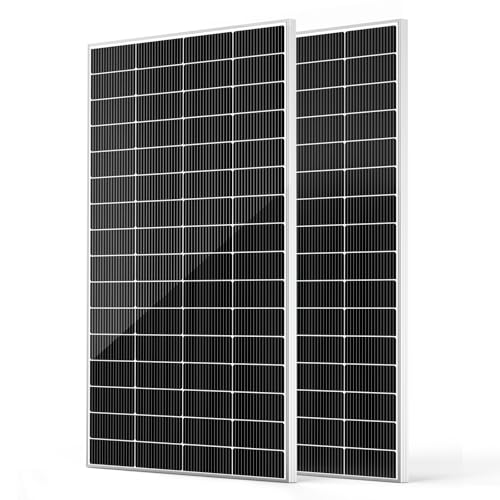
HQST 400W N-Type Bifacial Solar Panel Pair
Best for: Weatherproof off-grid charging in tight spaces
- IP Rating
- IP68
- Rated Wattage
- 200W
- Cell Efficiency
- 25.4%
- Cell Type
- N-Type, 16BB
- Intended Use
- RV, Off-Grid
- Recommended Use
- Off-Grid Systems, Boats & Marine, Trailers
This 200W panel uses N-Type bifacial cells to capture direct and reflected sunlight. It holds an IP68 rating for full waterproof and dust protection. The 25.4% efficiency and 16BB cell design help maximize power output in tight spaces. It weighs 21.58 lb and measures 30.1 by 47.2 inches. You should choose this if you need durable, high-efficiency solar charging for off-grid setups.
- IP68 waterproof and dust-tight rating
- 25.4% cell efficiency with N-Type technology
- Bifacial design captures up to 30% extra power
- 2400 Pa wind and 5400 Pa snow load resistance
- 200W rated wattage is lower than the 400W and 480W options on the list
- 21.58 lb weight is heavier than lighter 100W or 200W alternatives
- Single 200W unit offers less total capacity than the 400W or 450W bundles
- You need maximum weather protection with an IP68 rating
- You want high efficiency in a compact 200W footprint
- You are installing panels on reflective surfaces to gain extra power
- You need higher than 200W power output from a single panel
- You prefer lighter panels under 15 lb for easy transport
- You want a higher wattage option like 400W or 480W
Verdict: HQST 200W Bifacial Solar Panel delivers top-tier IP68 protection and high efficiency for users who prioritize durability and weather resistance over raw wattage.

MHPOWOS 400W Foldable Solar Panel
Best for: campers needing waterproof charging
- IP Rating
- IP67
- Rated Wattage
- 400 W
- Cell Efficiency
- 23.5%
- Cell Type
- Monocrystalline
- Panel Design
- Foldable
- Weight
- 27.9 lbs
This 400W solar panel uses monocrystalline cells with 23.5% efficiency. It carries an IP67 rating for waterproof protection. The foldable design measures 81.2 by 23.5 inches and weighs 27.9 pounds. It includes kickstands for positioning. You can use it with most power stations via various connectors. It suits outdoor activities like camping or RV trips.
- IP67 waterproof and dustproof rating
- 23.5% cell efficiency for faster charging
- Foldable design with integrated kickstands
- Multiple connector options for compatibility
- Heavier at 27.9 pounds than lighter 200W options
- Lower 23.5% efficiency compared to 25% or 25.4% rivals
- Monocrystalline cells rather than N-Type technology
- You need reliable waterproof protection in rain
- You want a high-wattage option for quick charging
- You prefer a foldable panel with built-in stands
- You prioritize the highest possible cell efficiency
- You need the lightest possible panel for hiking
- You require N-Type cell technology
Verdict: MHPOWOS 400W IP67 Foldable Solar Panel offers solid waterproofing and decent efficiency for outdoor power needs. It fits users who value durability and moderate weight over peak performance specs.

ZOUPW 480W Bifacial Portable Solar Panel
Best for: Rugged off-grid use with high-voltage stations
- IP Rating
- IP68
- Rated Wattage
- 480W
- Cell Efficiency
- 25%
- Cell Type
- N-Type 16BB
- Panel Design
- Foldable
- System Voltage
- 42.5V
This ZOUPW panel delivers 480W of power using N-Type 16BB cells with 25% efficiency. Its bifacial design captures light from both sides for up to 30% extra gain on reflective surfaces. The unit holds an IP68 rating, making it highly resistant to dust and water immersion. Weighing 22.5 lbs, it uses composite materials instead of glass to remain lightweight. The 42.5V system voltage suits high-capacity power stations.
- IP68 waterproof and dustproof rating
- 25% cell efficiency with N-Type 16BB technology
- Bifacial design yields up to 30% extra power
- Lightweight 22.5 lb composite build
- Heavier than the 400W models on this list
- Lower wattage than the 450W and 480W competitors
- Higher voltage than standard 19V or 40V panels
- You need maximum water and dust protection for harsh environments
- You want to capture reflected light from snow or sand
- You have a power station that supports high-voltage inputs
- You prioritize the highest possible wattage output
- You need a panel compatible with low-voltage 19V systems
- You want the lightest possible panel for backpacking
Verdict: ZOUPW 480W N-Type Bifacial Panel suits users who need rugged IP68 durability and high voltage compatibility. It offers strong efficiency but carries more weight than the lighter 400W alternatives.

Ecosonique 400W Foldable Solar Panel
Best for: Lightweight off-grid charging with basic weather protection
- IP Rating
- IP65
- Rated Wattage
- 400 W
- Cell Efficiency
- 23.5%
- Panel Design
- Foldable
- System Voltage
- 40V
- Weight
- 20.3 lbs
This Ecosonique panel offers 400W of power with a 23.5% cell efficiency. It features an IP65 rating for dust and water resistance. The unit weighs 20.3 lbs and folds into a compact size. It includes MC4 cables for connecting to most power stations. This setup suits users needing reliable off-grid charging with moderate weather protection.
- 23.5% cell efficiency for fast charging
- IP65 rating for dust and water protection
- Lightweight 20.3 lbs design for portability
- Includes MC4 and XT60 cables
- IP65 rating is lower than IP67 or IP68 options
- 23.5% efficiency is lower than 25.4% or 25% alternatives
- You need a 400W panel for off-grid use
- You want a lightweight option under 21 lbs
- You require basic water and dust resistance
- You need submersion-level IP67 or IP68 protection
- You want the highest 25%+ cell efficiency available
- You prefer bifacial panel designs
Verdict: Ecosonique 400W Foldable Solar Panel fits buyers who prioritize a lighter build and basic weather resistance over maximum efficiency or submersion ratings.

VTOMAN VS200 200W Foldable Solar Panel
Best for: Off-grid use requiring IP67 splash protection
- IP Rating
- IP67
- Rated Wattage
- 200W
- Cell Efficiency
- up to 23%
- Cell Type
- Monocrystalline
- Panel Design
- Foldable
- System Voltage
- 19V
The VTOMAN VS200 is a 200W monocrystalline panel with 23% cell efficiency. It features an IP67 water-resistant rating, allowing it to withstand water splashes. The unit folds to 25.6 by 23.7 inches and weighs 19.2 lbs. It operates at 19V with multiple interface options. This setup suits users needing reliable off-grid power in damp conditions without requiring high wattage.
- 23% monocrystalline cell efficiency
- IP67 water-resistant rating
- Three adjustable kickstands
- 19V system voltage with MC4/Anderson/XT60/DC5521 interfaces
- Lower 200W rated wattage compared to other 400W+ panels on the list
- Heavier 19.2 lbs build compared to lighter portable options
- Smaller 23.7-inch width limits surface area for energy capture
- You need a panel with IP67 splash protection for outdoor use
- You require a 19V system compatible with specific VTOMAN power stations
- You prefer a foldable design with adjustable kickstands for ground setup
- You need higher than 200W power output for heavy loads
- You require a lighter panel for frequent backpacking
- You need compatibility with 40V or higher voltage systems
Verdict: VTOMAN VS200 200W Solar Panel fits users who prioritize water resistance and specific 19V compatibility over raw power output. It is a solid choice for off-grid setups where splash protection is essential.

ZOUPW 450W N-Type Portable Solar Panel
Best for: High-voltage off-grid power stations
- IP Rating
- IP68
- Rated Wattage
- 450 W
- Cell Efficiency
- 25%
- Cell Type
- N-Type 16BB Monocrystalline
- Panel Design
- Foldable
- Weight
- 29.5 lbs
This ZOUPW 450W panel uses N-Type 16BB cells for 25% efficiency. It carries an IP68 rating, offering strong protection against rain and dust. The unit weighs 29.5 lbs and folds for portability. It targets high-capacity power stations requiring 40-60V input. You should verify your device voltage before buying, as it does not fit low-voltage units under 30V. The design suits off-grid RV use.
- IP68 waterproof and dustproof rating
- 25% cell efficiency with N-Type 16BB technology
- Lightweight 29.5 lbs fiberglass construction
- Includes 4-in-1 adapter cable for major brands
- Higher 450W output may exceed some station inputs
- Heavier than 200W alternatives on this list
- You need an IP68 rated panel for harsh weather
- You own a power station with 40-60V input
- You want high efficiency for cloudy conditions
- You use a low-voltage unit under 30V
- You need a panel lighter than 29.5 lbs
- You require a smaller 200W output
Verdict: ZOUPW 450W N-Type Solar Panel fits users with high-voltage stations who need weather-resistant gear. It delivers strong output for off-grid setups. Avoid it if your power station requires lower voltage input.
Specifications side by side
| Spec | HQST 400W N-Type Bifacial Solar Panel Pair | MHPOWOS 400W Foldable Solar Panel | ZOUPW 480W Bifacial Portable Solar Panel | Ecosonique 400W Foldable Solar Panel | VTOMAN VS200 200W Foldable Solar Panel | ZOUPW 450W N-Type Portable Solar Panel |
|---|---|---|---|---|---|---|
| Rated Wattage | 200W | 400 W | 480W | 400 W | 200W | 450 W |
| Cell Efficiency | 25.4% | 23.5% | 25% | 23.5% | up to 23% | 25% |
| Cell Type | N-Type, 16BB | Monocrystalline | N-Type 16BB | – | Monocrystalline | N-Type 16BB Monocrystalline |
| Panel Design | – | Foldable | Foldable | Foldable | Foldable | Foldable |
| System Voltage | – | – | 42.5V | 40V | 19V | – |
| IP Rating | IP68 | IP67 | IP68 | IP65 | IP67 | IP68 |
| Weight | – | 27.9 lbs | 22.5 lbs | 20.3 lbs | 19.2 lbs | 29.5 lbs |
| Intended Use | RV, Off-Grid | RV, Camping, Off-Grid | Home, RV, Off-Grid | RV, Camping, Off-Grid | Off-Grid | RV, Off-Grid |
| Wattage | 200W | 400W | – | 400W | 200W | – |
| Recommended Use | Off-Grid Systems, Boats & Marine, Trailers | Off-Grid Systems | Off-Grid Systems | Off-Grid Systems | Off-Grid Systems | Off-Grid Systems |
| Design | Bifacial | Foldable | Foldable, Bifacial | Foldable | – | Foldable |
| Dimensions | 48 × 31 × 3.5 inches | 81.2 × 23.5 × 1.1 inches | 139 × 3.35 × 32.6 inches | 18.7 × 2.5 × 21.8 inches | 25.6 × 23.7 × 2 inches | 122 × 0.79 × 34.6 inches |
| Color | Black | 400W Solar panel | Black | Black | Black | Orange |
| Model | HSP200N-64LT | CA-MH-SP-003 | ZP-DS480W | UC-400 | VS200 | ZOUPW-EZ450W |
| Size | – | 400W | 480W | 400W Foldable | – | 450W-Standard |
Frequently asked questions
What does the first digit in an IP rating mean for solar panels?
The first digit indicates protection against solid objects like dust. A rating of 6 means the panel is completely dust-tight. This prevents abrasive particles from entering the internal components. You should look for this top-tier protection if you work in sandy or dusty environments. It ensures long-term reliability for your off-grid setup.
What does the second digit in an IP rating indicate?
The second digit shows protection against liquids such as water. Higher numbers mean better resistance to moisture. For example, IP67 allows temporary immersion in water. IP68 offers even deeper submersion protection. This helps you understand how well the panel handles rain, splashes, or accidental drops in puddles.
Is IP68 better than IP67 for solar panels?
IP68 provides superior water resistance compared to IP67. IP68 panels can withstand continuous submersion under specific conditions. IP67 panels resist temporary immersion but are not designed for long-term underwater exposure. If you plan to leave panels in heavy rain or flood-prone areas, IP68 offers the highest level of security for your equipment.
Can I leave an IP65 solar panel out in the rain?
Yes, you can leave an IP65 panel in the rain. This rating protects against low-pressure water jets from any direction. It handles light to moderate rainfall well. However, it is not sealed against heavy downpours or submersion. For harsh weather, consider a higher rating like IP67 or IP68 for better durability.
Do I need an IP68 rating for camping solar panels?
IP68 is ideal for rugged camping where weather is unpredictable. It offers complete dust protection and deep water immersion resistance. Panels like the HQST 200W Bifacial provide this top-tier durability. If you camp in wet or dusty conditions, this rating ensures your gear survives exposure. It is worth the investment for peace of mind.
What is the difference between IP67 and IP65 solar panels?
IP67 panels resist temporary water immersion, while IP65 only handles low-pressure jets. IP67 is suitable for heavy rain or accidental submersion. IP65 is enough for light rain but not for flooding. Choose IP67 if you need robust waterproofing for outdoor adventures. IP65 is a lighter, basic option for fair weather use.