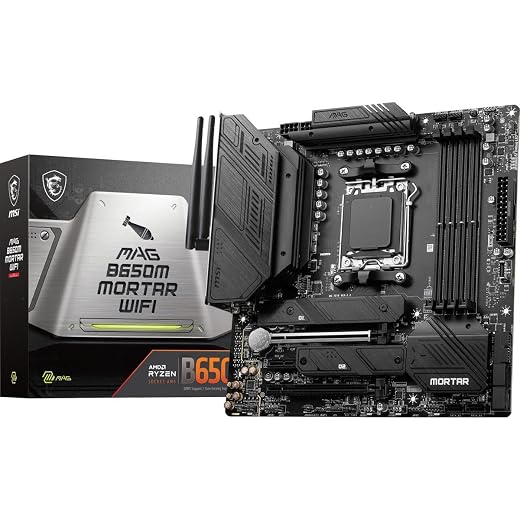
What we looked at
-
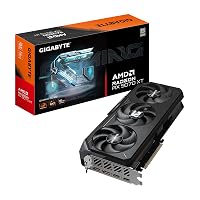 Lowest price
GIGABYTE Radeon RX 9070 XT Gaming OC 16G Graphics Card, PCIe…
4.6
See price
Lowest price
GIGABYTE Radeon RX 9070 XT Gaming OC 16G Graphics Card, PCIe…
4.6
See price
-
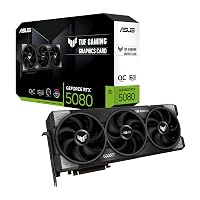 Highest rated
ASUS TUF Gaming GeForce RTX™ 5080 16GB GDDR7 OC Edition Graphics…
4.7
See price
Highest rated
ASUS TUF Gaming GeForce RTX™ 5080 16GB GDDR7 OC Edition Graphics…
4.7
See price
-
 ASUS SFF-Ready Prime NVIDIA GeForce RTX™ 5070 OC Edition Graphics Card…
4.7
See price
ASUS SFF-Ready Prime NVIDIA GeForce RTX™ 5070 OC Edition Graphics Card…
4.7
See price
-
 Reviewed here
ASRock Intel Arc B580 Challenger 12GB OC Graphics Card, 2740 MHz…
4.4
See price
Reviewed here
ASRock Intel Arc B580 Challenger 12GB OC Graphics Card, 2740 MHz…
4.4
See price
As Amazon Associates, we earn from qualifying purchases. This means we may receive a small commission at no extra cost to you if you click through and make a purchase.
Upgrading a family desktop often presents a frustrating compromise between entry-level cards that quickly run out of memory and massive, power-hungry boards that generate excessive heat and noise in shared household spaces. A shared family computer must handle a wide variety of tasks: demanding homework assignments, creative photo and video editing, daily web productivity, and smooth weekend gaming. Finding a component that manages these diverse tasks without requiring an expensive power supply overhaul or dominating the room with whirring fans is essential for parents and home builders. The ASRock Intel Arc B580 Challenger steps into this balance by offering modern architecture, generous video memory, and robust construction engineered for stable, multi-year performance. For households exploring the latest intel arc b hardware generation, this card represents a focused approach to dependable everyday performance without unnecessary complexity.
After a comprehensive evaluation of its specifications, acoustic engineering, and hardware capabilities, this graphics card proves to be a well-balanced centerpiece for the family workstation. Featuring a dual-fan cooling system that halts fan movement entirely during light desktop workloads, a rigid metal backplate to safeguard internal components, and modern display connectivity, it emphasizes quiet stability and physical longevity. Our intel arc b580 review findings indicate that for households seeking a dependable balance of gaming capability, multimedia acceleration, and peaceful operation, this hardware offers a compelling long-term solution.


Quick Verdict

The ASRock Intel Arc B580 Challenger provides a dependable, well-ventilated package for home PCs, coupling generous video buffer capacity with intelligent acoustic management for peaceful shared living spaces.
- Generous 12GB GDDR6 memory on a 192-bit bus ensures sufficient texture memory for current gaming and creative workflows.
- Dual-fan cooling solution with 0dB silent operation completely stops the fans during lighter household workloads.
- Modern display engine equipped with three DisplayPort 2.1 connections and one HDMI 2.1a port supporting 8K output and AV1 encode.
- Sturdy super alloy construction backed by a protective metal backplate and thermal pad for structural longevity.
ASRock Intel Arc B580 Challenger Features Explained
Intel Xe2-HPG Architecture and XMX Engines
At the center of this graphics card is the Intel Arc B580 graphics processor, built upon the updated Intel Xe2-HPG architecture. Designed to bring responsive performance to mainstream resolutions, the card operates with a core engine clock of 2740 MHz and integrates 160 Intel XMX engines dedicated to accelerating artificial intelligence calculations. These onboard matrix engines power Intel Xe Super Sampling 2, an advanced upscaling technology that reconstructs lower-resolution frames into crisp, high-resolution visuals. This means children and teenagers can enjoy visually demanding modern games at 1080p and 1440p resolutions with smooth framerates while reducing the raw rendering load on the silicon.
For household systems that divide their time between leisure and education, these specialized compute units also speed up AI-assisted creative software, including automated video cleanup and image generation tools. When matched with capable modern desktop processors like the intel core ultra 5 250k plus, the system achieves a balanced workload distribution that prevents computational bottlenecks across both gaming and productivity tasks.
12GB GDDR6 High-Speed Video Memory
Video memory capacity has become one of the most critical factors determining the practical lifespan of a desktop graphics card. The ASRock Intel Arc B580 Challenger is outfitted with 12GB of GDDR6 memory operating across a wide 192-bit bus at 19 Gbps. Many graphics cards in the mainstream bracket limit their memory allocations to 8GB, which can lead to stuttering, missing textures, and performance slowdowns as modern software demands increase. Having access to intel arc b 12gb of high-speed memory ensures that modern games have the headroom required to load high-resolution texture packs cleanly without overwhelming system memory.
Beyond gaming, this generous memory pool delivers noticeable advantages for family members engaged in creative hobbies. Video editing suites, digital illustration packages, and 3D modeling programs rely heavily on video RAM when rendering timelines or managing complex preview layers. The 192-bit memory bus ensures rapid data throughput, keeping creative workflows responsive and preventing application crashes during school multimedia projects or family photo album curation.
Dual-Fan Cooling with 0dB Silent Operation
Managing heat and acoustic output is crucial for computers situated in living rooms, bedrooms, or shared study areas. ASRock addresses this requirement through a dual-fan thermal assembly utilizing a striped axial fan design. The custom fan blades are engineered with striped grooves and a polished bottom surface, which directs airflow smoothly through the aluminum heatsink fin stack below. This design promotes efficient thermal dissipation without needing the fans to spin at disruptive, high-pitched velocities during extended gaming sessions.
To ensure quiet operation during everyday tasks, the card features 0dB Silent Cooling technology. When the computer is utilized for homework, browsing the web, streaming videos, or writing documents, the internal temperature remains below the thermal threshold, causing the cooling fans to stop spinning completely. This intel arc b quiet cooling design eliminates unwanted fan whirr during quiet household hours, reducing background ambient noise while also minimizing dust buildup across the internal components over time.
Super Alloy Construction and Metal Backplate
Durability in family hardware is not just about electronic stability; it also requires physical resilience. The card is manufactured using ASRock Super Alloy construction, which incorporates high-grade electronic components designed to withstand continuous daily operation. A key structural highlight is the stylish metal backplate, which covers the entire rear surface of the printed circuit board. This rigid backplate prevents the PCB from bending or sagging over time when installed horizontally inside a standard tower chassis, protecting delicate traces and solder joints from physical strain.
In addition to structural rigidity, the metal backplate works in tandem with a dedicated thermal pad positioned on the backside of the components, allowing heat to conduct away from hot spots directly into the metal plate. This passive heat dissipation reinforces the card’s overall thermal management. Furthermore, the solid backplate provides physical shielding, safeguarding sensitive electronics from accidental contact when family members open the PC case for routine dusting or memory upgrades, bolstering overall intel arc b durability.
Multi-Display Connectivity with DisplayPort 2.1
Modern family workstations frequently serve multiple functions, requiring flexible monitor setups that can accommodate homework research, remote work, and immersive gaming. The ASRock Intel Arc B580 Challenger features comprehensive display connectivity, offering three DisplayPort 2.1 connections alongside a single HDMI 2.1a port. Supporting up to four simultaneous displays with a maximum output resolution of 7680 x 4320 pixels, the card easily handles ultra-high-definition 8K panels or multi-monitor desktop arrangements.
The inclusion of intel arc b displayport 2.1 connections guarantees compatibility with next-generation display standards, delivering high refresh rates and expanded color bandwidth without compression artifacts. Additionally, the card features integrated hardware AV1 encode and decode capabilities. This modern media engine allows smooth, efficient streaming of high-resolution video content while enabling aspiring content creators in the family to record or stream gameplay footage with superior visual clarity at lower bandwidth requirements.
Specs
| Attribute | Detail |
|---|---|
| Graphics Coprocessor | Intel Arc B580 |
| Model Name | B580 CL 12GO |
| Video Memory | 12GB GDDR6 |
| Engine Clock Speed | 2740 MHz |
| Memory Clock / Speed | 19 Gbps (2740 MHz) |
| Memory Interface Bus | 192-Bit |
| Interface Standard | PCIe 4.0 (PCI-Express x8) |
| Video Outputs | 3x DisplayPort 2.1, 1x HDMI 2.1a |
| Maximum Display Resolution | 7680 x 4320 Pixels (8K) |
| Form Factor & Dimensions | 2-Slot Design, 249mm Length |
| Cooling System | Dual Fans with 0dB Silent Cooling |
| Power Requirements | 1x 8-Pin Power Connector, 650W PSU |
Reviewing the intel arc b specs highlights how balanced the hardware allocation is for standard desktop environments. By combining a 2740 MHz engine clock with a 192-bit memory interface and a manageable 2-slot footprint, the card fits neatly into conventional mid-tower cases without requiring specialized high-wattage power supplies or custom chassis modifications.
ASRock Intel Arc B580 Challenger Pros and Cons
What we like
- Generous 12GB GDDR6 memory buffer
- Dual-fan cooling with 0dB silent mode
- Triple DisplayPort 2.1 and HDMI 2.1a outputs
- Rigid metal backplate with thermal pad
- Modern Intel Xe2-HPG architecture with XeSS 2
What we’d change
- Requires 650W power supply and 8-pin connector
- Chassis clearance needed for 249mm length
- Operates on PCIe x8 interface
Check ASRock Intel Arc B580 Challenger on Amazon
Best Use Cases
- Reliable 1080p and 1440p family gaming setups where XeSS 2 upscaling and 12GB of memory provide smooth framerates in modern titles.
- Quiet home study and remote office workstations where the 0dB fan-stop threshold ensures silent operation during reading and writing.
- Multi-monitor productivity desks requiring up to four active screens driven by DisplayPort 2.1 and HDMI 2.1a outputs.
- Family media and video editing PCs that benefit from hardware-accelerated AV1 encoding and large video memory buffers.
- Long-term desktop upgrades in standard mid-tower chassis seeking structural protection via a reinforced metal backplate.
Before You Buy
Before purchasing the ASRock Intel Arc B580 Challenger, it is important to confirm physical compatibility inside your computer case and ensure adequate power supply capacity. The graphics card measures 249mm in length and utilizes a 2-slot physical profile, which allows it to fit into most standard ATX and Micro-ATX desktop cases, though you should measure your chassis internal clearance to avoid obstruction from hard drive cages or front radiators. For electrical power, the board requires a single 8-pin PCIe power connector, and the manufacturer recommends a power supply rated at 650 watts. If you are upgrading an older family computer powered by hardware such as the intel i7 12700k, verify that your existing power supply provides a dedicated 8-pin lead rather than a daisy-chained splitter to ensure clean power delivery.
In terms of packaging and accessories, the retail box includes 1 x graphics card and 1 x quick installation guide. The listing does not specify any bundled display cables, adapter dongles, or supplementary software media, so you will need to provide your own DisplayPort or HDMI cables to connect your monitors. Furthermore, while the card connects using a PCIe 4.0 interface operating at x8 electrical bandwidth, the listing does not specify performance differences on older PCIe 3.0 motherboards. To maximize data transfer efficiency and unlock full architectural support, it is best paired with modern motherboards that fully support Resizable BAR technology.
How It Compares With Similar Picks
| Product | Best For | Key Difference |
|---|---|---|
| ASRock Intel Arc B580 Challenger | Everyday Family Gaming & Media | 12GB GDDR6, 2-slot card, 3x DisplayPort 2.1, 0dB silent dual cooling |
| ASUS SFF-Ready Prime NVIDIA GeForce | Compact Enthusiast Systems | RTX 5070 GPU, 12GB GDDR7, PCIe 5.0, 2.5-slot cooler, 3-year warranty |
| GIGABYTE Radeon RX 9070 XT | Demanding High-Resolution Desktops | Radeon RX 9070 XT, 16GB GDDR6, PCIe 5.0, triple-fan Gaming OC cooling |
| PCIe 5.0 | Extreme High-Performance Workstations | RTX 5080 GPU, 16GB GDDR7, heavy 3.6-slot cooler, military-grade build |
Evaluating these options side by side demonstrates how hardware specifications correspond to different user priorities. While the ASRock Intel Arc B580 Challenger provides an accessible dual-slot design with silent cooling ideal for shared spaces, builders requiring higher compute power for advanced rendering might consider the ASUS SFF-Ready Prime NVIDIA GeForce, which features faster GDDR7 memory across a 2.5-slot cooler. Users looking for larger raw memory capacity for uncompromised resolution scaling might explore the GIGABYTE Radeon RX 9070 XT with its 16GB GDDR6 configuration. For massive, dedicated enthusiast setups where case space and power draw are not primary concerns, the PCIe 5.0 card delivers high-end RTX 5080 computing in a substantial 3.6-slot frame. For standard family systems where moderate power consumption, quiet operation, and manageable physical dimensions matter most, the B580 Challenger remains the most practical fit.

Bottom Line
Choosing a graphics card for a shared home PC requires balancing realistic everyday performance against long-term operational peace of mind. The arc b580 12gb configuration delivers ample memory headroom, ensuring that texture-heavy games and memory-hungry creative tools run smoothly without encountering severe performance bottlenecks. By pairing this generous buffer with a rigid metal backplate and an intelligent 0dB cooling system, ASRock has created a hardware package that respects the quiet atmosphere of a home while resisting physical wear over years of ownership.
When asking the question, is intel arc b worth it for household computing, the answer centers on reliable execution of daily tasks. The combination of three modern DisplayPort 2.1 outputs, an HDMI 2.1a port, AI-accelerated XeSS 2 upscaling, and robust build materials makes this card an outstanding upgrade choice. It delivers the structural durability, silence, and versatile multi-display capability necessary to serve students, parents, and casual gamers effectively across the lifespan of the family computer.
FAQ
What power supply is required to run the ASRock Intel Arc B580 Challenger?
The card requires one 8-pin PCIe power connector and the manufacturer specifies a minimum power supply rating of 650 watts. Ensuring your power supply provides a dedicated 8-pin cable will guarantee stable operation under heavy gaming or rendering workloads.
How does the 0dB silent cooling feature operate during daily use?
The cooling fans are programmed to shut off completely when the graphics processor is running under light thermal loads, such as during web browsing, office tasks, or video playback. Once temperatures rise during demanding gaming sessions, the dual striped axial fans spin up smoothly to keep temperatures regulated.
Does this graphics card support multiple monitors simultaneously?
Yes, the card supports up to four simultaneous displays. It includes three DisplayPort 2.1 connections and one HDMI 2.1a port, providing flexible display options with support for resolutions up to 7680 x 4320 pixels.
Is the Intel Arc B for family gaming capable of running current titles?
The graphics card is well-suited for intel arc b for family gaming, providing smooth framerates at 1080p and 1440p resolutions. Its 12GB GDDR6 memory buffer and Intel XeSS 2 AI upscaling technology allow it to handle modern game textures with stable framerates.
What physical space is needed inside the computer case for installation?
The card features a standard 2-slot thickness and measures 249mm in length. While it fits comfortably into most standard mid-tower computer chassis, buyers should measure the distance between the rear expansion brackets and any front-mounted case fans before installation.