
What we looked at
-
 Lowest price
Nikon RED Z Cinema | ZR Cinema Camera | 32-Bit Float…
8.6/10
See price
-
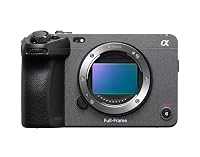 Sony Alpha FX3 | ILME-FX3A | Full-Frame Cinema Line Camera, Black
8.4/10
See price
-
 Highest rated
Sony ILME-FX6 Cinema Line Full-Frame Camera with SEL24105G, 10.2 MP, 2K,…
10.0/10
See price
-
 Reviewed here
Canon EOS R5 C Mirrorless Camera (Body Only), 45 Megapixel CMOS…
9.4/10
See price
As Amazon Associates, we earn from qualifying purchases. This means we may receive a small commission at no extra cost to you if you click through and make a purchase.
Creative professionals, independent filmmakers, and serious documentarians frequently encounter a frustrating barrier when attempting to combine commercial photography with high-end motion capture: compact mirrorless cameras often suffer from thermal bottlenecks during continuous, high-resolution recording. When a production requires extended takes, unexpected shutdowns can stall an entire schedule and compromise critical footage. The Canon EOS R5 C solves this operational challenge by fusing the cinema-centric engineering of the Cinema EOS lineup with the high-resolution still photography capabilities of full-frame mirrorless architecture, highlighted by an integrated active thermal management system designed to eliminate heat fatigue entirely.
By delivering internal 8K recording alongside a 45-megapixel imaging engine, this versatile platform provides a definitive answer for creators who cannot afford to carry separate video and stills packages into the field. Our evaluation examines how its dedicated cooling mechanism, professional timecode interface, and flexible recording formats hold up to the demands of modern multimedia production, ensuring long-term hardware longevity and dependable return on investment for high-demand visual storytellers.


Quick Verdict

The Canon EOS R5 C stands out as a true dual-purpose production workhorse that successfully solves thermal throttling without sacrificing high-resolution still performance. It gives solo operators and small crews the mechanical dependability needed for intense shooting schedules across both photography and cinema production environments.
- Integrated active cooling fan facilitates continuous, non-stop recording in high-demand 8K/60P video formats without thermal cutoff.
- High-resolution 45-megapixel full-frame CMOS sensor paired with the DIGIC X processor handles commercial-grade still capture and oversampled 4K video.
- Comprehensive professional interfaces include a dedicated timecode input/output terminal and 13 assignable function buttons for streamlined workflow integration.
- Advanced Dual Pixel CMOS AF with EOS iTR AF X provides precision tracking with deep-learning eye, face, and head detection across moving subjects.
Canon EOS R5 C Features Explained
Active Cooling Fan and Thermal Management
Thermal accumulation has historically been the primary limitation of compact full-frame cameras handling heavy video data rates. To combat this issue directly, the Canon EOS R5 C cooling fan is integrated into the body structure, exhausting internal thermal energy through dedicated heat sinks and cooling vents. This active ventilation system prevents the camera from hitting the thermal ceiling that triggers unexpected shutdowns, thereby eliminating the persistent threat of Canon R5 C overheating during prolonged assignments.
This thermal architecture drastically enhances Canon R5 C durability over years of regular use. Because internal processors and the imaging sensor are actively shielded from excessive thermal stress, delicate internal components experience reduced degradation over extended recording cycles. Filmmakers conducting long interviews, conference documentation, or all-day studio sessions can execute uninterrupted takes within the stated 0 to 40 degrees Celsius operating temperature range with complete operational confidence.
8K 60p Cinema RAW and High-Resolution Sensor
At the center of this imaging powerhouse is a 45-megapixel full-frame CMOS sensor managed by the high-performance DIGIC X image processor. This hardware combination enables Canon R5 C 8K 60p internal RAW video capture, presenting movie-theater-grade definition that delivers 16 times the detail of traditional Full HD footage. The expansive sensor resolution also supports High Dynamic Range capture in both Hybrid Log Gamma (HLG) and Perceptual Quantization (PQ) standards, preserving shadow gradients and highlight fidelity for advanced broadcast and color grading pipelines.
Beyond native 8K capture, the high pixel count directly elevates standard production workflows through internal 4K and 2K oversampling. By sampling down from the full 8K readout, the processor renders 4:2:2 10-bit video files with visible reductions in moiré, false colors, and luminance noise. For commercial still photographers, the same 45-megapixel sensor provides rich detail, an ISO range spanning 100 to 51200 (expandable down to 80 and up to 102400), and a native 3:2 aspect ratio capable of producing large-format gallery prints and sharp commercial crops.
Dual Pixel CMOS AF with Subject Detection
Sharp, dependable focus is paramount when shooting wide apertures on large full-frame sensors. The Canon R5 C dual pixel autofocus technology utilizes every pixel across the imaging sensor to detect phase differences and read actual image information simultaneously. Governed by EOS iTR AF X algorithms, the autofocus system offers 1,053 automatic AF zones, maintaining lock on moving subjects through advanced head, face, and eye detection even when individuals turn away from the lens.
Operators can maneuver the focus position quickly using the responsive 3.2-inch touchscreen LCD or the tactile 8-way multi-controller located near the grip. The system maintains continuous subject acquisition even during High Frame Rate shooting modes, making it an exceptional tool for gimbal or drone operation where manual focus pulling is impractical. This tracking reliability significantly reduces discarded takes, speeding up turnaround times on commercial client assignments.
Professional Controls and Hybrid Interface
Adopting the Canon R5 C for hybrid shooting eliminates the usual ergonomic compromises associated with crossing between photo and cinema assignments. The exterior housing features 13 marked, user-assignable buttons, allowing operators to map dedicated cinema functions such as waveform monitors, false color displays, or peaking while maintaining quick access to standard photo exposure settings. A dedicated timecode input/output terminal ensures synchronized multicamera production without relying on complex external audio slate syncing.
For still capture, the platform offers rapid burst speeds, achieving up to 12 frames per second using the mechanical shutter and up to 20 frames per second when utilizing the silent electronic shutter. Full autofocus tracking and subject detection remain active at these maximum frame rates, granting sports and event photographers the speed needed to freeze fast-moving action. The ergonomically extended electronic viewfinder provides a comfortable viewing distance, accommodating glasses and preventing forehead contact against the rear LCD.
Broadcast Codecs and Uncropped High Frame Rates
Workflow flexibility is reinforced by the camera’s broad range of container formats and professional compression standards. Users can record MXF-based XF-AVC files that meet stringent television broadcast standards, or utilize efficient MP4 containers for rapid web distribution and proxy workflows. The camera also supports simultaneous recording of two independent video files across compatible media, establishing an instantaneous backup system directly at the capture stage.
Action sequences benefit from robust High Frame Rate capabilities, allowing 4K slow-motion capture at up to 120 frames per second in rich 4:2:2 10-bit color. Crucially, the camera captures this high-speed mode without cropping the full-frame sensor area, preserving the native focal length and field of view of connected RF lenses. This uncropped readout prevents the distortion of wide-angle framing when switching instantly from standard dialogue takes to dramatic action sequences.
Specs
| Attribute | Detail |
|---|---|
| Sensor Resolution | 45 Megapixels (Effective Still Resolution) |
| Sensor Type & Size | Full-Frame (35mm) CMOS Sensor |
| Image Processor | DIGIC X |
| Lens Mount Compatibility | Canon RF Mount |
| Video Resolution & Frame Rate | Up to 8K at 60p Internal RAW, 4K at 120p |
| Continuous Shooting Speed | Up to 12 fps (Mechanical), Up to 20 fps (Electronic) |
| Native ISO Sensitivity Range | 100 to 51200 (Expanded: 80 to 102400) |
| Autofocus System | Dual Pixel CMOS AF with EOS iTR AF X (1,053 Zones) |
| Display Monitor | 3.2-Inch Touchscreen LCD |
| Operating Temperature Limits | 0 to 40 °C (32 to 104 °F) |
Canon EOS R5 C Pros and Cons
What we like
- Internal cooling fan enables uninterrupted 8K/60P recording
- High-resolution 45-megapixel full-frame CMOS sensor
- Fast continuous shooting up to 20 frames per second
- Dual Pixel CMOS AF with deep-learning subject detection
- Dedicated timecode terminal and 13 customizable buttons
What we’d change
- Body only configuration requires separate lens investment
- Listing does not specify exact battery life runtime
- Operating temperature range bounded between 0 and 40 °C
Check Canon EOS R5 C on Amazon
Best Use Cases
- Commercial video production requiring non-stop 8K or oversampled 4K recording without risk of thermal shutdowns.
- High-end wedding and event coverage requiring instant transitions between rapid 20 fps continuous photo capture and 4K 120p slow-motion video.
- Broadcast and multicamera studio productions needing native timecode synchronization and standardized XF-AVC file formats.
- Independent documentary filmmaking where solo operators need reliable head and eye detection autofocus mounted on gimbals.
Before You Buy
Prospective owners evaluating the Canon R5 C specs should note that this listing is for the camera body only, meaning lenses, media cards, and power accessories must be sourced independently. The body utilizes the native Canon RF lens mount, granting full access to professional optics such as the canon rf 100-500mm telephoto zoom for sports and wildlife tracking. Creators transitioning from compact consumer platforms like the canon eos r50 mirrorless camera should expect a significantly deeper technical interface that emphasizes dedicated cinema configurations over simplified automated capture assistance.
Power management requires careful forward planning before deployment on long assignments. Although the body functions on standard internal battery packs, the listing does not specify exact Canon R5 C battery life runtimes for continuous 8K recording. Operating high-resolution 8K/60P capture alongside active internal fan cooling consumes substantial energy, making external power sources or supplemental battery reserves necessary for uninterrupted full-day shoots. Additionally, environmental operating thresholds are rated from 0 to 40 degrees Celsius, so extreme weather productions will require appropriate climate protection.
How It Compares With Similar Picks
| Product | Best For | Key Difference |
|---|---|---|
| Canon EOS R5 C | True hybrid commercial video and 45 MP still production | Combines 8K/60P RAW recording with 45 MP stills and active internal cooling |
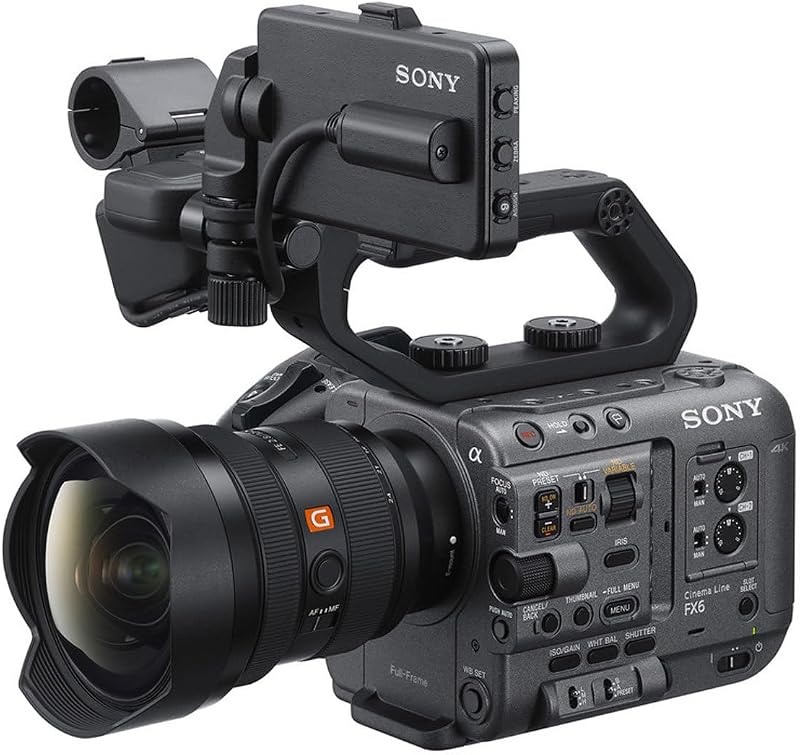
| 10.2 MP | Dedicated broadcast video and documentary cinematography | Features a 10.2 MP sensor optimized strictly for 4K video, bundling a 24-105mm lens |
| Nikon RED Z Cinema | Cinematic cinema production with specialized audio workflows | Delivers 6K capture with RED Color Science, 32-bit float audio, and a 4-inch DCI-P3 monitor |
| Sony Alpha FX3 | Handheld solo-operator cinema line video capture | Dedicated cinema line body form factor focused primarily on video operation |
Selecting an alternative depends heavily on whether your workflow demands high-resolution still photography alongside video capture. The 10.2 MP platform offers a specialized broadcast video sensor that excels in low-light motion capture, but its low pixel count cannot fulfill commercial still print assignments. Similarly, the Nikon RED Z Cinema appeals to cinematic filmmakers who require internal 32-bit float audio and a large integrated 4-inch DCI-P3 monitor, while the Sony Alpha FX3 serves video specialists who prefer an ultra-compact cage-free cinema housing. If your assignments require switching seamlessly between commercial 45 MP print imagery and cinema-standard 8K motion capture, the R5 C remains the dedicated hybrid solution.
Bottom Line
Determining whether the camera justifies deployment comes down to production diversity and thermal reliability. Creators asking is Canon R5 C worth it will find that its combination of unthrottled 8K recording, broadcast-ready codecs, and high-speed 45-megapixel still capture replaces the need to invest in two separate flagship bodies. The integrated cooling structure protects the internal hardware against heat buildup, delivering dependable performance through grueling commercial production schedules.
While power planning is necessary to sustain its advanced processing and cooling fan during long shooting days, the operational benefits far outweigh the logistical preparation. By merging two distinct production workflows into a durable, ergonomically balanced chassis, this platform delivers reliable long-term utility for visual storytellers committed to top-tier commercial imaging standards.
FAQ
Is Canon R5 C worth it for hybrid still and video creators?
Yes. The camera provides an uncompromised balance between a 45-megapixel commercial still photography camera and a full-featured Cinema EOS video camera. With 20 fps continuous shooting, 8K/60P internal RAW, and active fan cooling that prevents overheating shutdowns, it functions effectively as two professional devices inside a single chassis.
How does the Canon R5 C cooling fan prevent overheating?
The camera body integrates an internal cooling fan system that directs air across heat-generating processing components and vents it out through dedicated exhaust ports. This active thermal control keeps internal operating temperatures stable, allowing non-stop recording of demanding 8K/60P and 4K high-frame-rate video without triggering thermal protection shutoffs.
What does the listing specify about Canon R5 C battery life?
The listing does not specify exact battery life figures, milliamp-hour capacities, or continuous video recording durations per charge. Because 8K internal processing, high-frame-rate modes, and the active cooling fan demand considerable power, operators planning extended video sessions should prepare supplementary power solutions or multiple battery backups.
Can the Canon EOS R5 C record slow motion video in 4K?
Yes. The camera records High Frame Rate video at up to 120p at 4K resolution in 4:2:2 10-bit color. This recording mode functions without cropping the full-frame sensor area, preserving the full optical perspective of attached RF lenses while maintaining active Dual Pixel CMOS autofocus tracking throughout the take.
What lens mount does the Canon EOS R5 C use?
The camera features the native Canon RF lens mount. This mount supports Canon’s modern lineup of RF full-frame lenses, allowing shooters to pair the high-resolution sensor with premium prime and zoom lenses to achieve maximum optical sharpness, autofocus response, and optical image stabilization performance.


